Delta-T charges
District cooling providers in the UAE can apply charges when chilled-water return temperature falls below contractual limits.
 GrüntekENERGY SOLUTIONS
SOLUTION · CHILLED-WATER PERFORMANCE
Low chilled-water ΔT is one of the most persistent and costly challenges in district-cooled buildings. Often the root cause isn’t technology. It’s the absence of a structured, risk-managed approach that proves the improvement before long-term changes are made. That is how we work.
01 / THE CHALLENGE
A low ΔT is a symptom. It tells you the building is using more chilled water than the load requires.
District cooling providers in the UAE can apply charges when chilled-water return temperature falls below contractual limits.
A low ΔT means more chilled water must circulate to deliver the same cooling, so pumps work harder.
Unbalanced networks create hot and cold spots, which are often “fixed” with more flow, making ΔT worse.
Extra pumping and inefficient heat transfer add electricity use and emissions against your sustainability goals.
Pumps, coils and valves working outside design conditions wear faster and need more maintenance.
Q = ṁ · cp · ΔT Halve the ΔT and the building needs twice the water for the same cooling. Pump power rises even faster than flow. Illustrative, relative to ΔT 10 K.
ESTIMATE
Get a quick estimate from one bill, or upload your bill history to see every month.
3.9°C below design × 12.6% per °C = 49% of your consumption charge
49%added on top of your consumption charge
126,000 AEDless per year for every 1°C of ΔT recovered
+78%more chilled water circulated than at design ΔT
Indicative estimate from the figures above. Actual charges depend on your supply agreement, and ΔT changes month to month, so a monthly bill gives the most accurate picture. A proof of concept measures your real numbers.
Request a LITE proof of concept02 / THREE ENGAGEMENT LEVELS
Choose the level that fits your building and risk appetite. Every plan starts from measured data.
Proof of concept
A short-term, low-risk proof of concept focused on operational and hydronic improvements, designed to demonstrate measurable ΔT uplift before scaling.
Full optimisation programme
A full performance optimisation programme delivering sustained ΔT improvement through hydronic engineering, system balancing and advanced control strategies, enabled by a dedicated optimisation platform.
Most comprehensive
Our most comprehensive solution, combining performance optimisation with embedded comfort intelligence for critical and sensitive areas.
Across all plans
Chilled-water systems should be treated as what they are: strategic assets, not reactive problems.
03 / ROADMAP
Establish a clear baseline of your building’s chilled-water performance.
LITEIdentify where performance is being lost and what it is costing you.
LITEDemonstrate the ΔT uplift on a defined boundary before scaling (LITE).
LITEScale the improvement across the building (GOLD / PLATINUM).
GOLD · PLATINUMReport transparently against the baseline so the improvement holds.
GOLD · PLATINUMContinuous monitoring against the baseline keeps the improvement in place.
04 / RELATED WORK
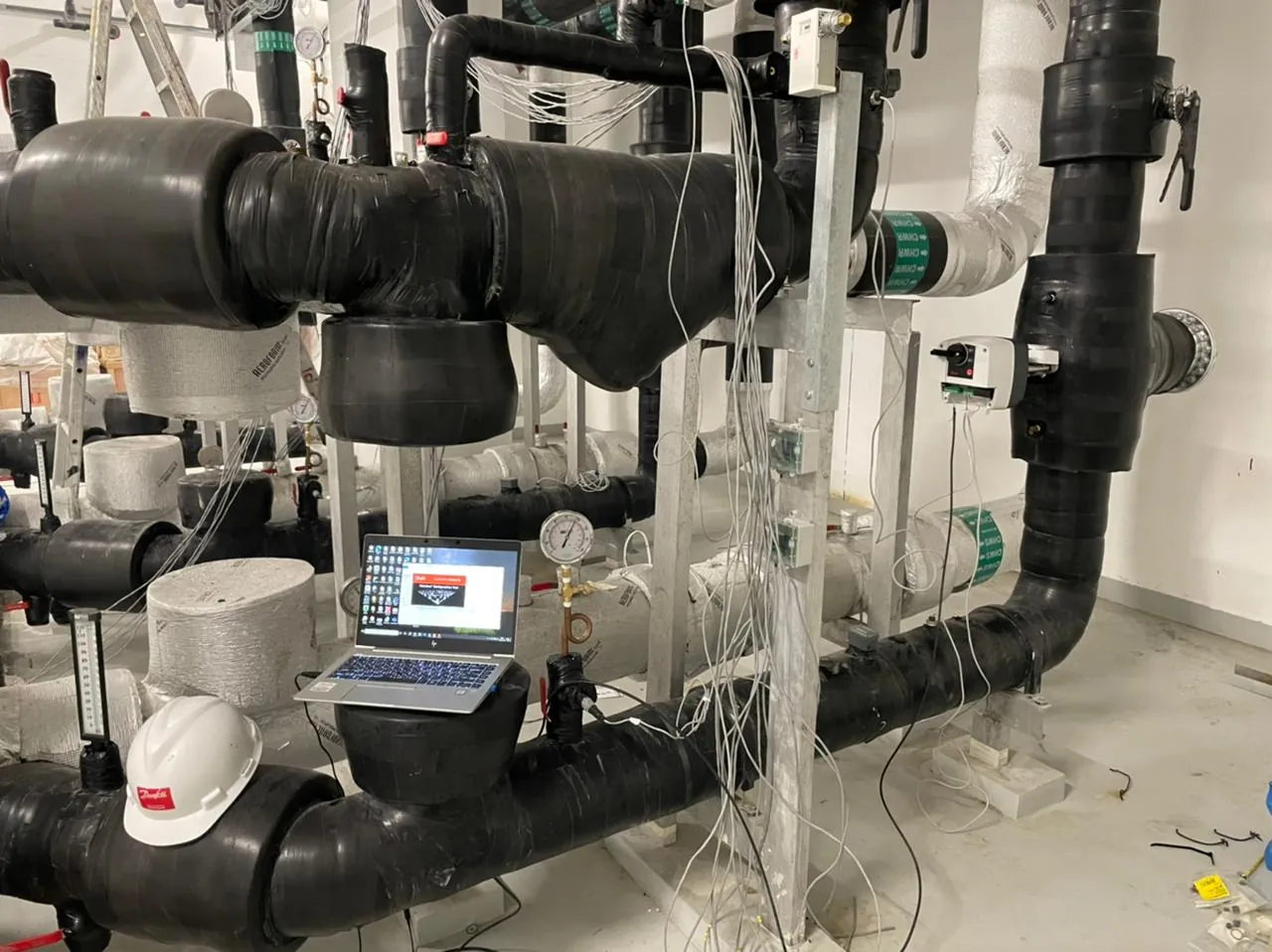 Optimisation
Energy optimisation & chilled water Delta-T management
 Hydronics
Chilled water network hydronic calculations
 Hydronics
Delta-T study
 Hydronics
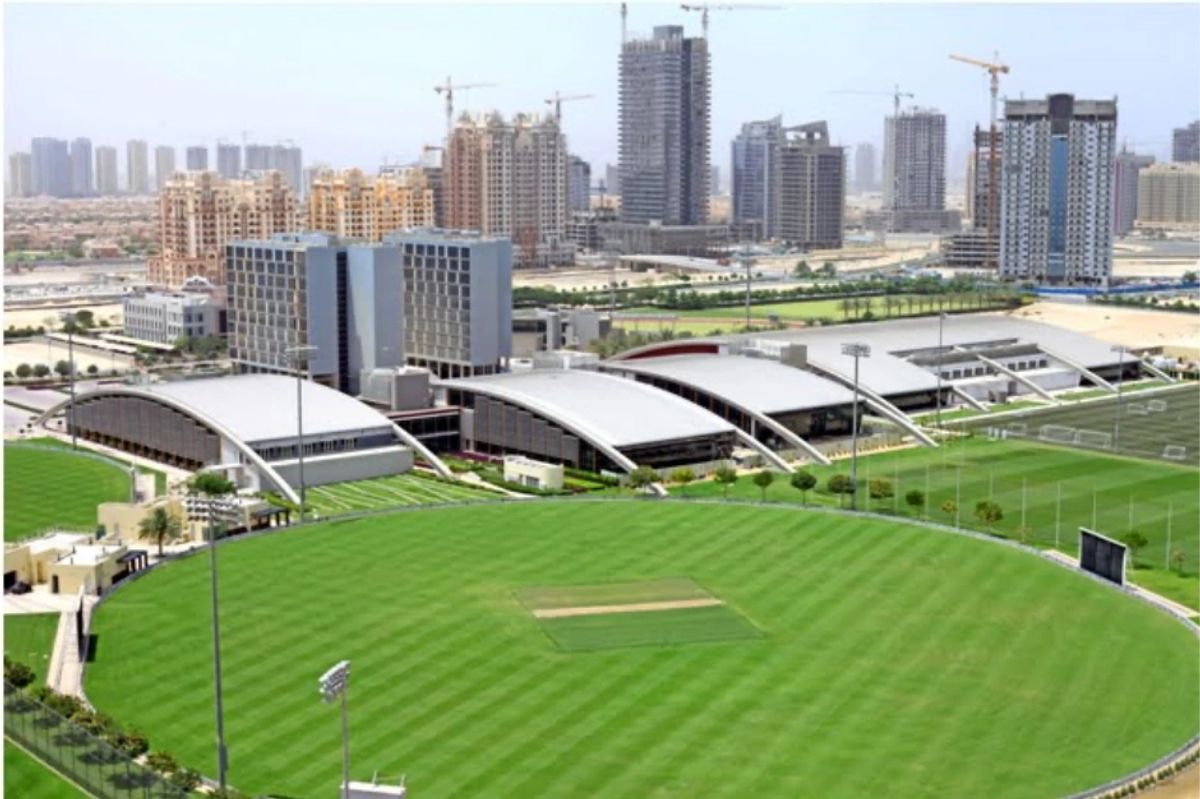
Chilled water network hydronic calculations
 Hydronics
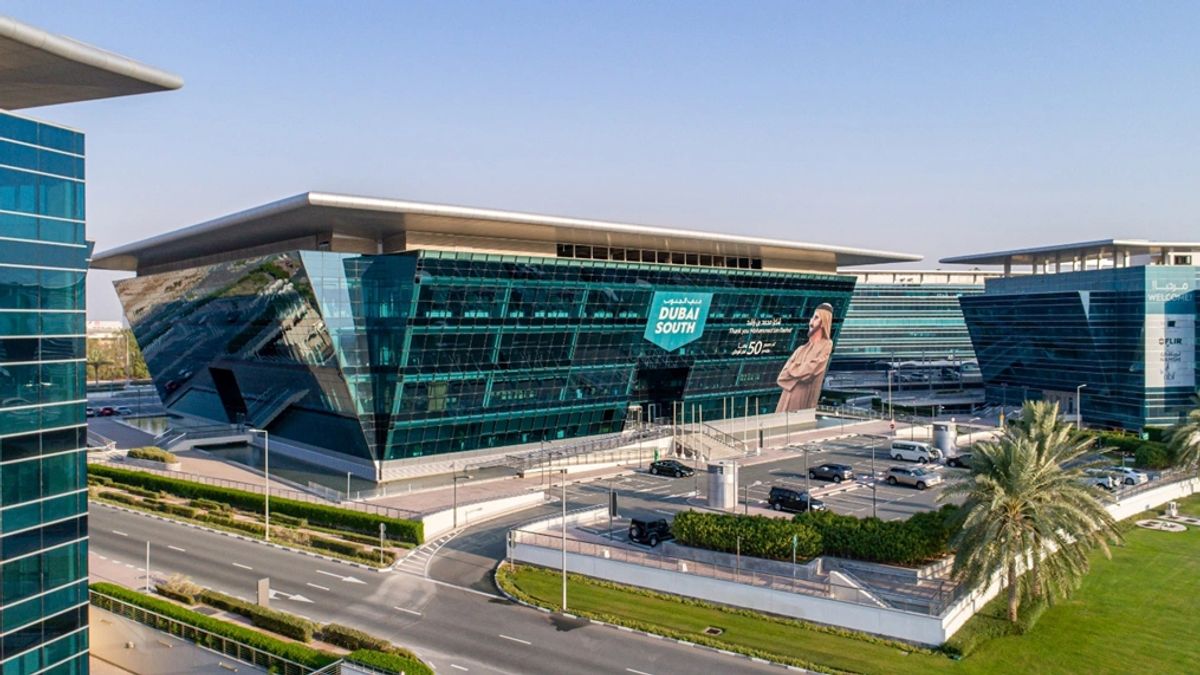
Delta-T study
 Optimisation
Delta-T optimisation
Comprehensive and non-comprehensive AMCs for chillers, condensing units, HVAC, ETS, BMS and metering.
05 / FAQ
Low ΔT syndrome is when the difference between chilled-water supply and return temperatures is well below design. The building then needs more water flow to receive the same cooling, which increases pumping and reduces the efficiency of the energy transfer station and the district cooling plant.
District cooling networks are designed around a target return temperature. When buildings return water too cold, the network carries more flow than needed, and providers in the UAE can apply Delta-T charges under the supply agreement.
Yes. The LITE plan is a short-term, low-risk proof of concept on a clear system boundary. It is designed to show measurable ΔT uplift in the data before any long-term changes are agreed.
Not necessarily. Many improvements are achieved without replacing plant. Where new equipment is needed, we supply and install it as part of the plan.
Hotels, offices, residential towers, mixed-use developments and district cooling plants across Dubai and the UAE. See the related projects on this page.